Become a program sponsor to make a lasting impact on the integrity of the Coosa
Thank you for your consideration to sponsor the Coosa Riverkeeper Restoration Program.
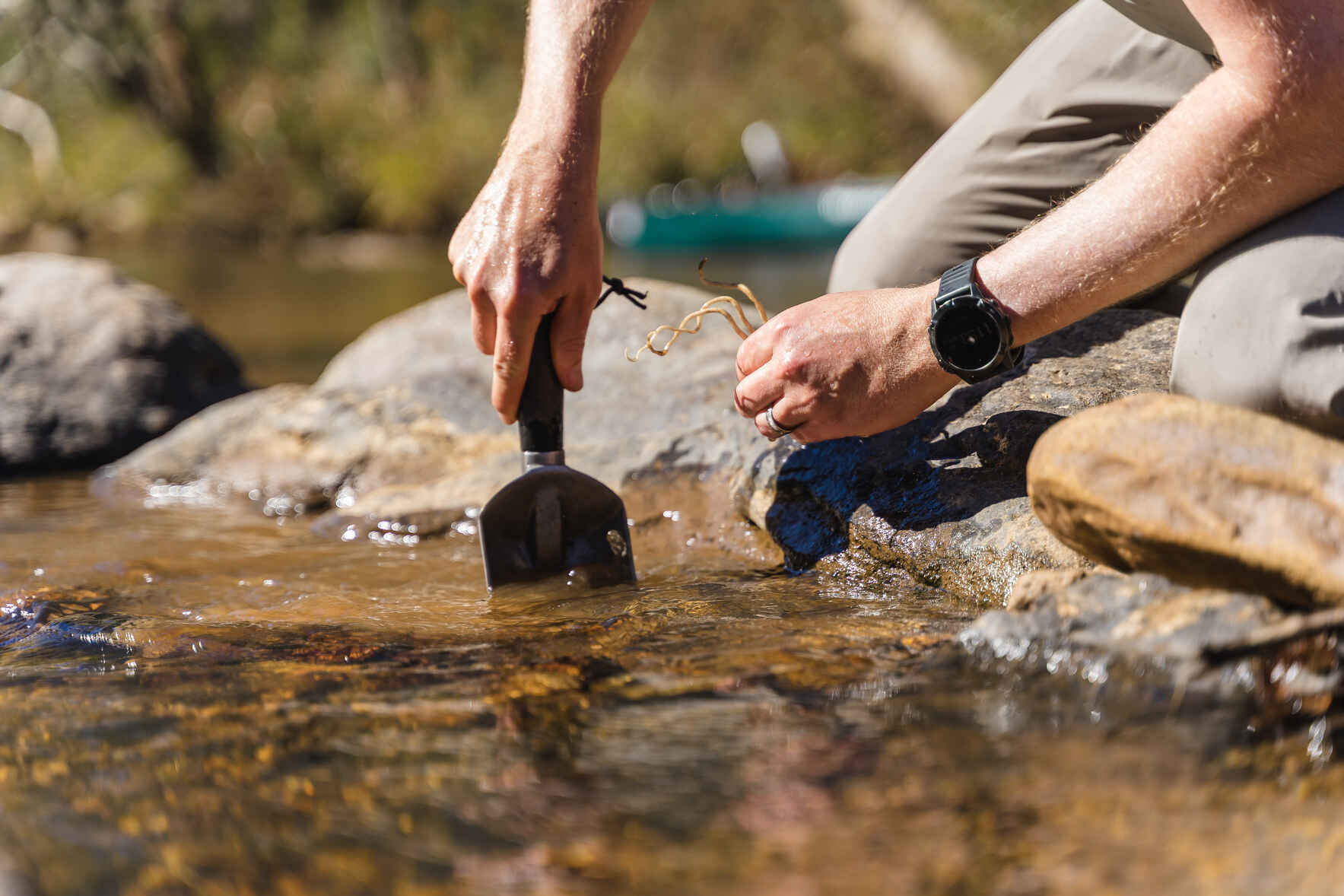
We are fundraising to establish a strong foundation for a new program!
Hello, my name is Chad Hoffman, I'm the Watershed Specialist at Coosa Riverkeeper. My journey at Coosa has been full of diverse experiences in the field, the lab, behind a computer editing photos & videos, or supporting the work of programs such as Swim Guide, Angler Advocacy & Riverkeeper. We wouldn't be a grassroots organization if that didn't also include scrambling to put together fundraisers like Southern One Fly, writing grants, and helping push along/pursue unique & crazy ideas like River Rats.
Over the years (4 to be exact, wow!) I've learned more about my strengths, weaknesses, passions & priorities. As the organization has grown, thanks to support from folks like you, I've been tasked with the opportunity to build a new program from the ground up. So, what is it?
The Coosa Riverkeeper Restoration Program
At the Coosa HQ, we've been exploring what it means to have the word "Restore" in our mission. We are pursuing impactful projects & initiatives that focus on habitat improvement, habitat protection, engagement with stakeholders, and partnership development. With your support, we can prioritize getting (wading) boots on the ground, and make a lasting positive impact in the Coosa River watershed. Casting a wide net in 2025, some of the work is already in motion while others are in a planning phase. Pursuing low-head dam removal projects, advocating for public land acquisition at Forever Wild meetings, and developing partnerships are some of ongoing priorities for the Restoration Program. Other projects are seasonal & sporadic, such as stream crossing assessments, Rocky Shoals Spider Lily restoration, and quarterly eDNA sampling in Weogufka Creek. There's a handful of other things in the works, as well. We believe, with your support, that these projects will create a strong foundation for this program. They will also provide us with valuable learning experiences so that we can scale & replicate projects sustainably.
Take a look at some of our goals for 2025:
- Inspect & document 10 low-head dams
- Facilitate 3 site visits to low-head dams with partners
- Make initial contact with 4 low-head dam landowners
- Create a public facing & informative database of low-head dams
- 40 stream crossing surveys in priority watersheds
- Develop a website of resources & information for conservation landowners
- Facilitate 3 site visits to private conservation property with partners
- Establish scheduled Dissolved Oxygen (D.O.) data collection below FERC dams
- Plant Shoal Lily seeds at 5 unpopulated shoals in Hatchet Creek
- Complete 3 eDNA samplings on Weogufka Creek
- Attend & advocate at 4 Forever Wild Board meetings
- Facilitate 3 site visits to properties proposed to Forever Wild
A healthy mix of quantitative & qualitative goals, these define the direction our new program is heading. Dive in today and support the Coosa Riverkeeper Restoration Program!
Sponsorship Opportunities
Personal (individuals or families) - $250
Professional (private businesses) - $500 - $1000
Your sponsorship will help cover staff time, fuel for field work, miscellaneous field equipment as needed, and printing supplies for restoration outreach.
Besides the good feeling of supporting something positive, what's in it for you?
Sponsorship will ensure that you get updates on projects along with
photos, invitations/priority to volunteer opportunities (think shoal
lily planting), your name or business logo on a sponsor graphic to be
shared with any restoration post across our social media (25k+
followers), as well as a logo placed on the restoration website!
Sponsorships last 1 year from the date of your receipt. For example, if you sponsor on April 15th, 2025, you will be a sponsor until April 15th, 2026. Leading up to that time, I will reach out regarding the renewal of your sponsorship.
If you can think of other ways that we can show our appreciation, please let us know at chad@coosariver.org.
Featured Projects & Initiatives
Rocky Shoals Spider Lily restoration from June to July
Issue: Habitat loss, populations & range.
Goal: Increase density at some shoals, re-establish populations at others.
Coosa Riverkeeper & volunteers will collect shoal lily seeds from dense populations on Hatchet Creek, and plant them in designated areas within the Hatchet watershed the following day. Planting this native, perennial, aquatic plant will reestablish populations at shoals with less shoal lily density, improving habitat and boosting ecotourism in Coosa County. Learn more about this project by following the links at: https://linktr.ee/CRKRE

Quarterly eDNA sampling in Weogufka Creek
Issue: Proposed extraction project in an under-researched remote watershed.
Goal: Learn what we have there, so we know what to advocate for.
eDNA is genetic material shed by organisms into their environment. By collecting water samples from Weogufka Creek and analyzing the eDNA, we can identify the presence of various aquatic species, even if those species are rare, elusive, or difficult to detect using traditional survey methods. This provides a comprehensive snapshot of the creek's biodiversity, including the presence of any threatened, endangered, or invasive species. This data is critical for informing conservation efforts. A partnership with a Jacksonville State lab will allow us to collect data on 3+ species at an incredibly affordable rate. We plan to use this preliminary data to help secure funding to send samples to a renowned third-party lab in North Carolina, providing a wider range of species & more consistent data. Samples to be processed by the third-party lab are estimated at $6,500 per quarter.

Forever Wild quarterly board meetings
Issue: Alabama ranks among the bottom 5 states nationwide in terms of public land percentage. Development of natural places reduces water quality.
Goal: Promote public land acquisitions to enhance water quality and recreation.
We encourage you to learn more about the Forever Wild program here, if you aren't already familiar. Many of your favorite places to recreate are likely part of the Forever Wild program. Land preservation through Alabama's Forever Wild program benefits watershed conservation by protecting habitat and reducing/filtering sediment runoff, helping maintain water quality. It also enhances recreational opportunities by providing public access to protected lands for hiking, fishing, and wildlife observation, ensuring long-term environmental and community benefits. We will attend all 4 quarterly board meetings, and advocate to the board for the purchase of proposed land within the Coosa River watershed. In between board meetings we'll prioritize facilitating site visits for board members to view properties, and building relationships with land managers as well. At the February 2025 meeting 2,000+ acres in the Hatchet Creek watershed and 800+ acres in the Yellowleaf watershed were placed on track for preservation (board votes passed for appraisals).

Fish passage barrier removal or alteration
Issue: Low-head dams block fish passage, alter habitat, and create dangerous hydraulic currents that threaten paddler safety.
Goal: The big one... get a low-head dam removed (multi-year process). Also, develop informative resources for the public & facilitate dam removal discussions with agencies & landowners.
This can be a tricky one in Alabama, and one that lacks the funding for the time to plan/organize. A barrier that disrupts fish passage (inhibited reproductive patterns and greatly impacting habitat) in our case are low-head dams and culverts. I am spending lots of time in the field documenting low-head dams, strategizing landowner contact, and planning site visits with US Fish & Wildlife to pursue low-head dam removal projects. As an angler and a paddler, I'm equally motivated and passionate about removing barriers that impact habitat as well as pose dangerous conditions while floating. I am also working on a partnership with the Geologic Survey of Alabama & USFWS to survey culverts in priority watersheds to inform them of feasible habitat improvement projects.

There's a handful of other things going on in the restoration world such as building out a website page full of resources, connecting landowners with USFWS for site visits, documenting FERC hydropower dam dissolved oxygen levels, and planning a taro removal day in Choccolocco Creek. If you're curious about any of these specific projects, or have suggestions for others, please reach out to chad@coosariver.org
Thank you for taking the time to consider supporting the Coosa Riverkeeper Restoration Program. See you on the water!